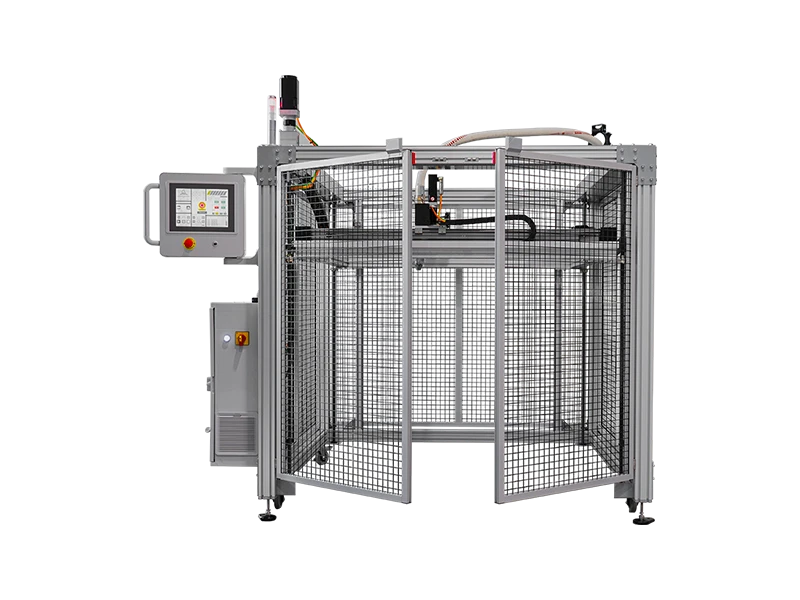
 MiniPrinter EDU
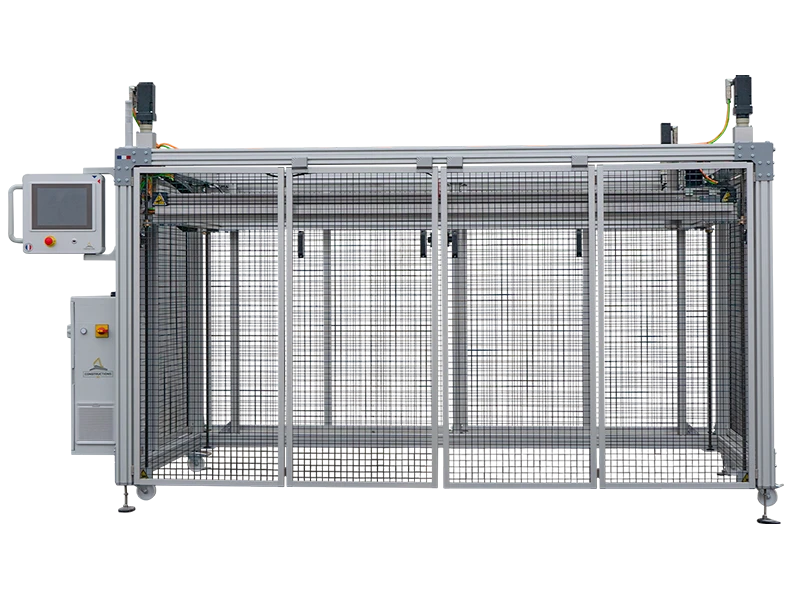 MiniPrinter XL
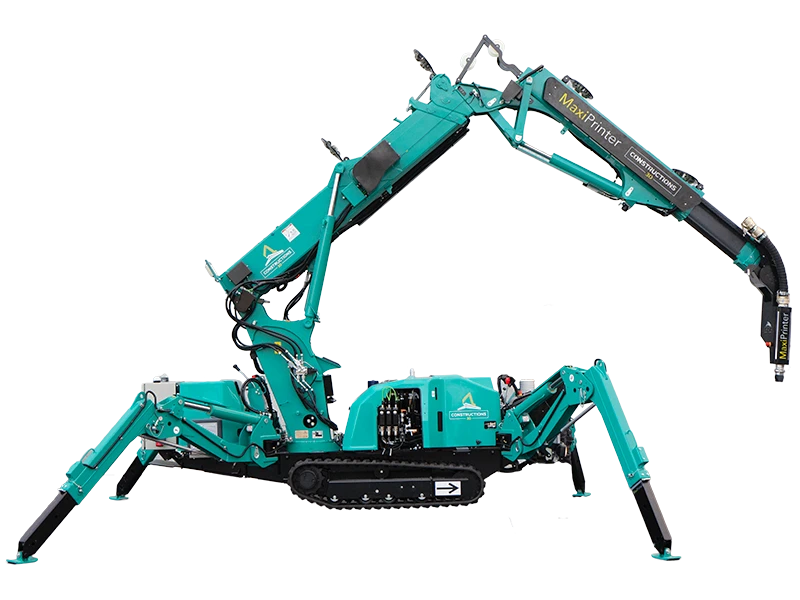 MaxiPrinter
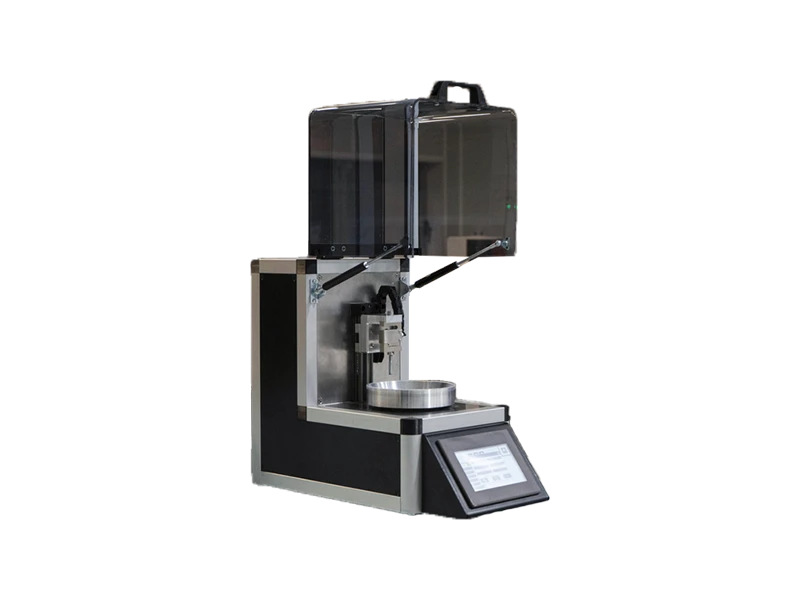 Constructimeter
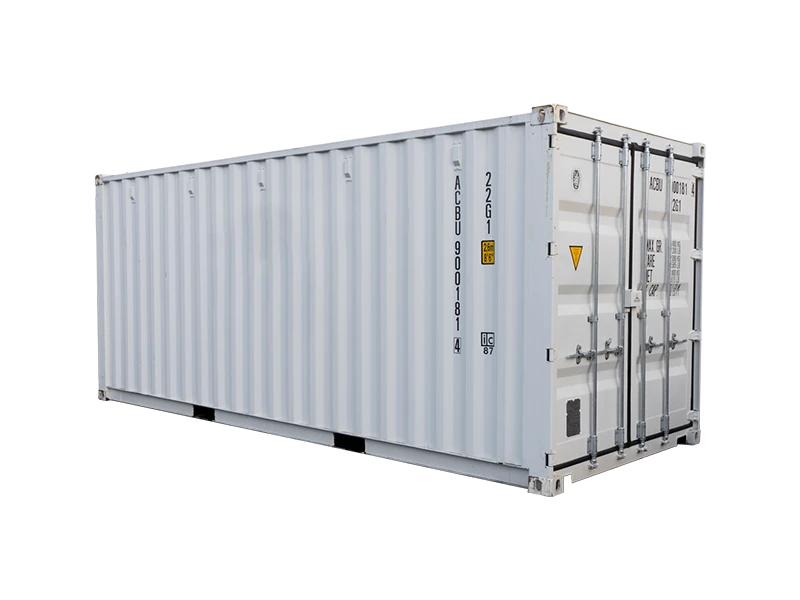 Laboratory
 Printable Mortar
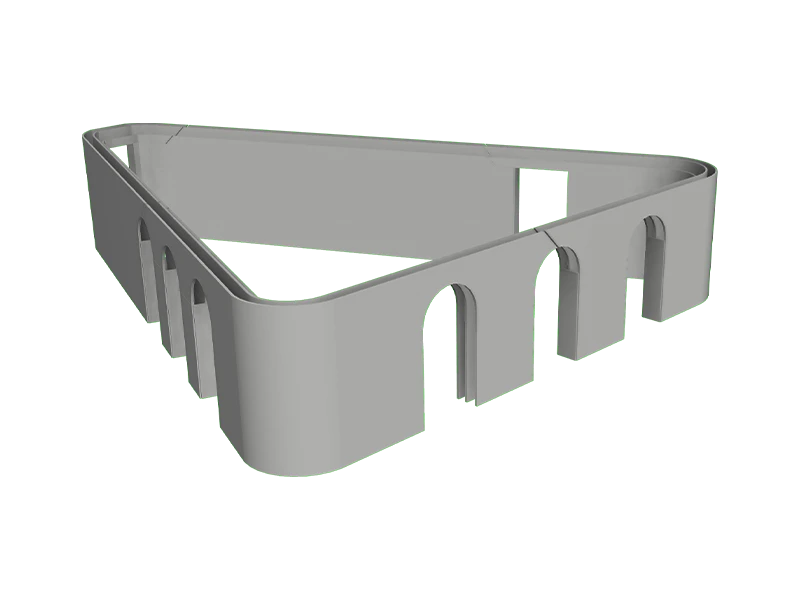 Buildings
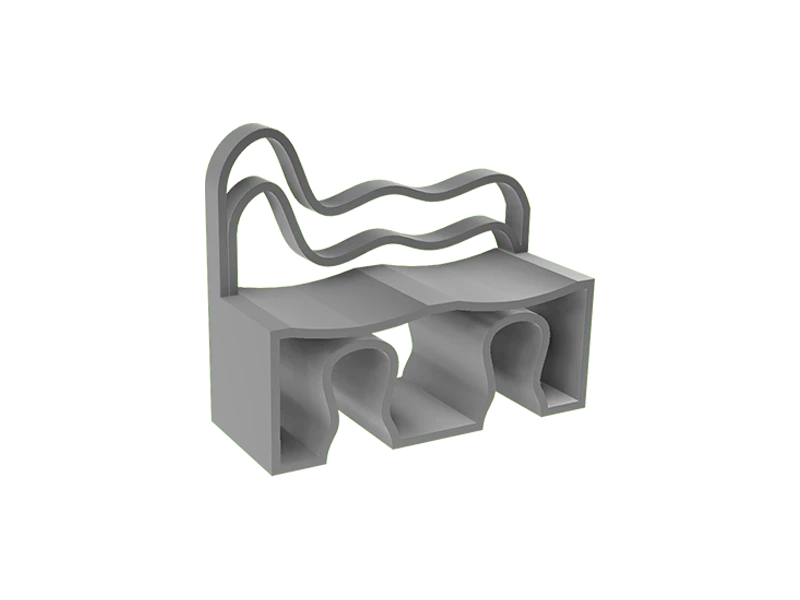 Urban Furniture
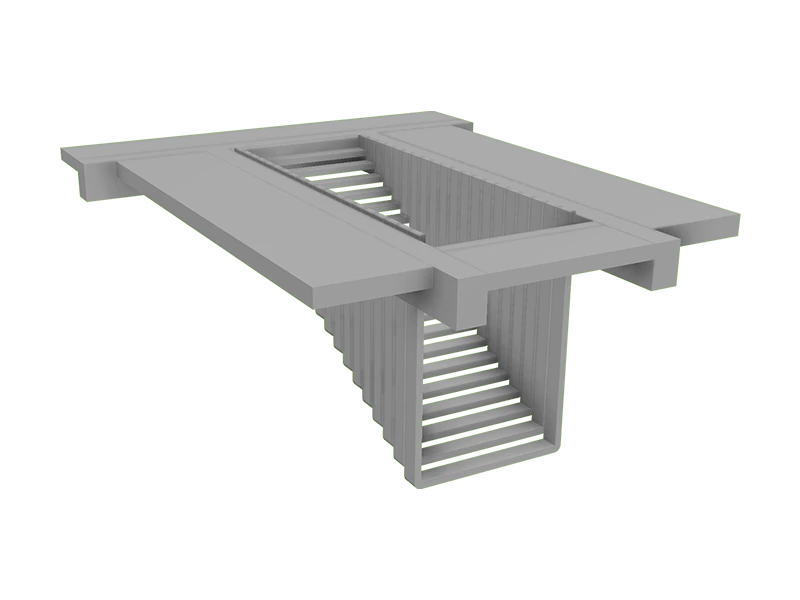 Technical Work
LiveWell: An Innovative Training Project Pioneering a New Profession
Testimony - The Vision of Printerra and Norseman Construction Canada faces an unprecedented challenge: building faster, with fewer workers, and under tighter cost control. While traditional methods struggle to keep pace, a technology long seen as futuristic is emerging as a practical solution: 3D concrete printing. At the heart of this revolution, two Canadian companies—Norseman Construction (link to article on Kris) and Printerra—are combining their strengths and visions. For Kristofer Potts and Leigh Newman, the future of construction is literally being printed.
Published on 15 December 2025

Written by Phoebe Karczmarek
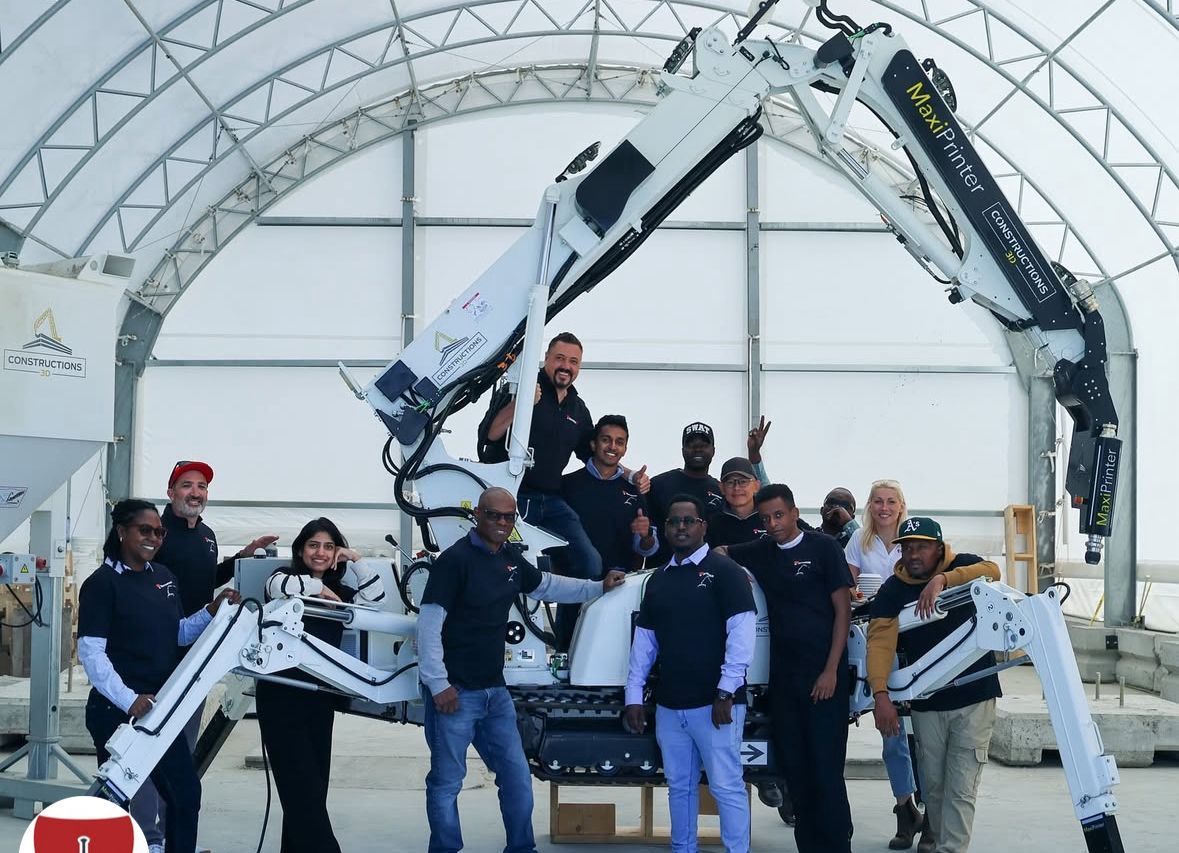
Printerra: Building the Infrastructure for Additive Construction
Leigh Newman has an ambitious vision: to transform construction at an industry-wide scale. “3D printing can only succeed if you build the entire ecosystem around it,” he explains. It is in this spirit that he founded Printerra, a ConTech and GreenTech company developing ACaaS—Additive Construction as a Service.
This comprehensive platform—covering technology, materials, engineering, R&D, training, certification, and construction—aims to make 3D concrete printing accessible to developers, contractors, and institutions.
Printerra is pursuing a historic project: constructing Canada’s first 3D-printed, carbon-neutral, three-story building that meets all safety standards. “This proves it’s no longer a tech demonstration; it’s a viable construction method,” Newman emphasizes. The partnership with Norseman has become a strategic cornerstone. “Norseman’s strength lies in their ability to integrate technology into real, large-scale projects,” he says. Together, they are even contributing to ASTM and ISO standards to structure additive construction internationally.

Why Invest in 3D Concrete Printing?
Both leaders agree: 3D concrete printing addresses critical challenges the construction sector has faced for years. “We can reduce timelines by 30 to 40 percent and, most importantly, eliminate a huge portion of human error,” explains Leigh. Robotics make everything more precise: structure, form, and envelope. BIM and digital models replace the unpredictability of traditional sites.
For Kris, it’s also about productivity: “When we print, we no longer rely on formwork teams, drying times, or rigid sequences. We gain flexibility and certainty.” Beyond speed, 3D printing allows for architectural forms that were once too costly: curves, organic geometries, double-radius elements—all with a reduced environmental impact thanks to optimized, often local, concrete mixes.
The LiveWell Project: Training Operators for a Profession That Doesn’t Yet Exist
For the technology to take root, a skilled workforce is essential. “3D concrete printing doesn’t just need machines; it needs operators, technicians, and new talent,” explains Kris.
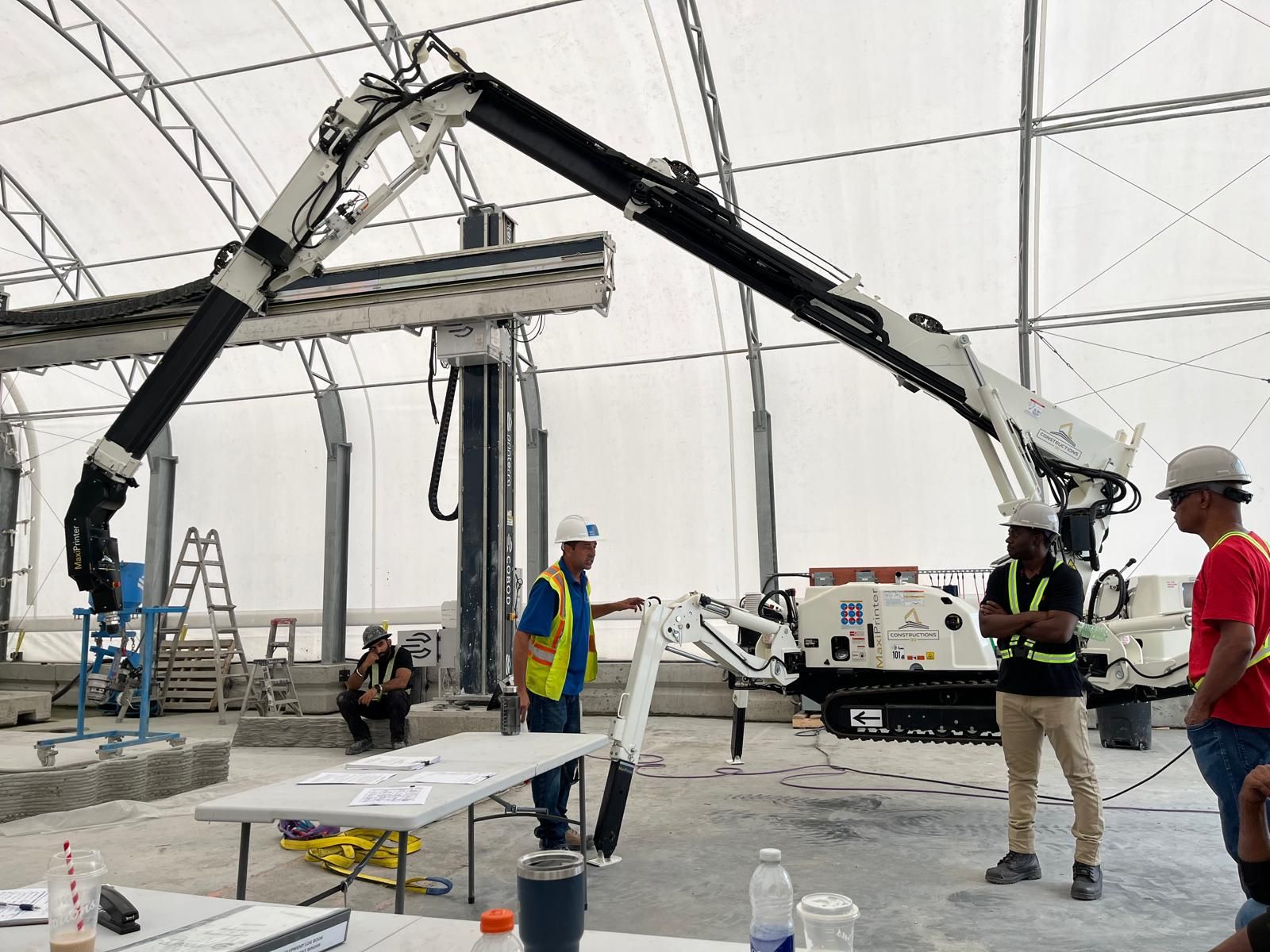
From this insight came the LiveWell Training Program, Canada’s first hands-on training center dedicated to additive construction. Over eight weeks, participants learn to operate real printers—including the MaxiPrinter—understand materials, assemble SIP panels, read digital plans, and navigate a real construction site environment.
Newman summarizes the approach: “People learn ten times faster when they work with the machine. When they print their first wall, everything clicks.” Early cohorts confirmed this intuition: confidence grows quickly, cross-disciplinary skills develop, and graduates are immediately operational. “Canada is full of talent; they just needed the opportunity to train,” he adds.
The Emergence of a New Profession: 3D Construction Operator
Both companies advocate for the creation of a recognized new profession, equivalent to a Red Seal certification (the national standard officially recognizing skilled trades). “This role combines three profiles in one: machine operator, team leader, and digital builder,” explains Kris Potts. The required skills are hybrid: mechanical knowledge, BIM software proficiency, understanding concrete behavior, on-site leadership, and a strong safety mindset. “This profession didn’t exist ten years ago. Today, it attracts young people who want technology and hands-on work,” notes Leigh Newman.
An International Vision Already in Motion
The model developed by Norseman and Printerra is gaining attention far beyond Canada. “Costa Rica, Kenya, the United States… we’re already being asked how to replicate our training program,” says Leigh. The goal is clear: to create a global curriculum combining theory, practice, safety, and digital construction.
Building Faster, Training Faster—Building Better

Future projects are numerous: a six-story building in Toronto, rapid housing prototypes for municipalities, a national training program, a pilot project in Costa Rica, and a partnership in Kenya combining EPS, SIP, and 3D printing. “2026 to 2030 will define the future of construction. We intend to be central players,” asserts Kris.
A Message for Those Who Want to Join the Movement
“We’re at the beginning of a new chapter in construction,” summarize the two CEOs. To contractors: “Now is the time to modernize your methods.” To young people: “There has never been a more exciting time to enter the construction trades.” To researchers: “You can help create a new global standard.” 3D concrete printing is no longer a technological curiosity. It’s a major shift—a new way to build—and perhaps the key to addressing the housing crisis. Those who commit today, as Kris and Leigh say, become pioneers of a new era.
Ask your questions about concrete printing and our products...