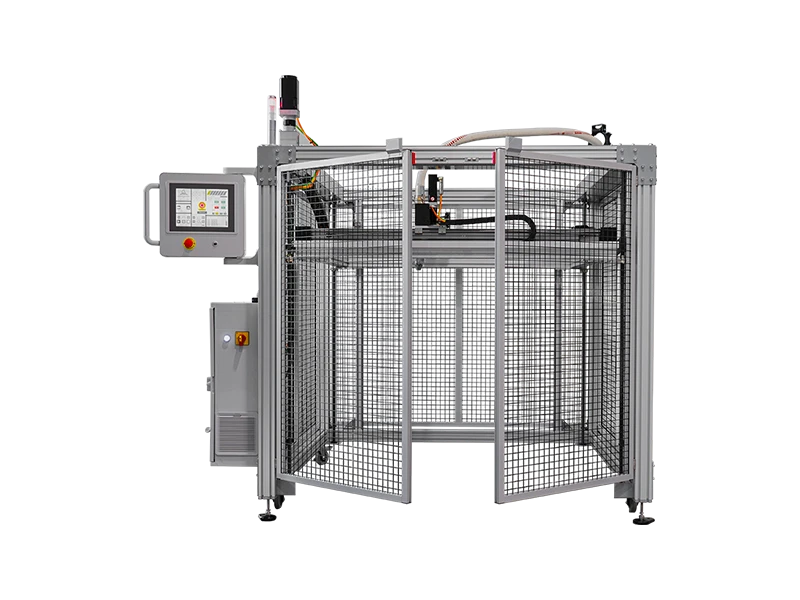
 MiniPrinter EDU
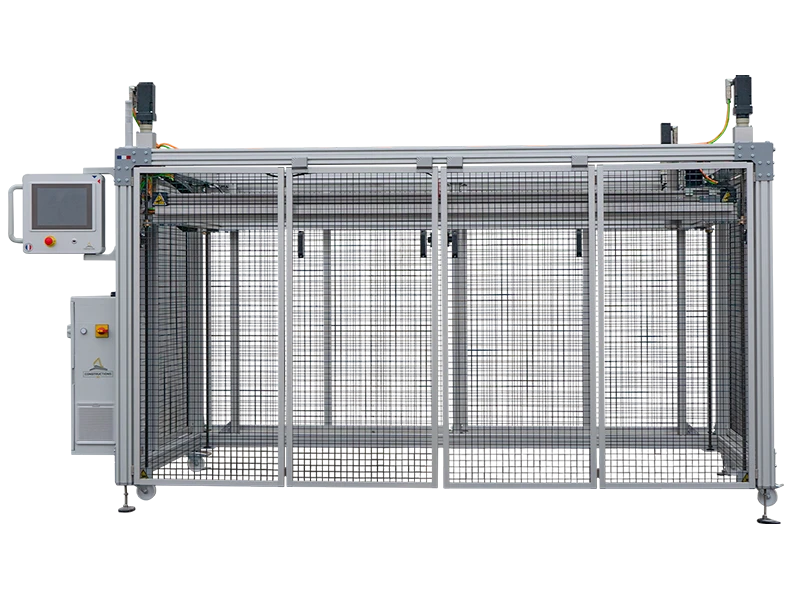 MiniPrinter XL
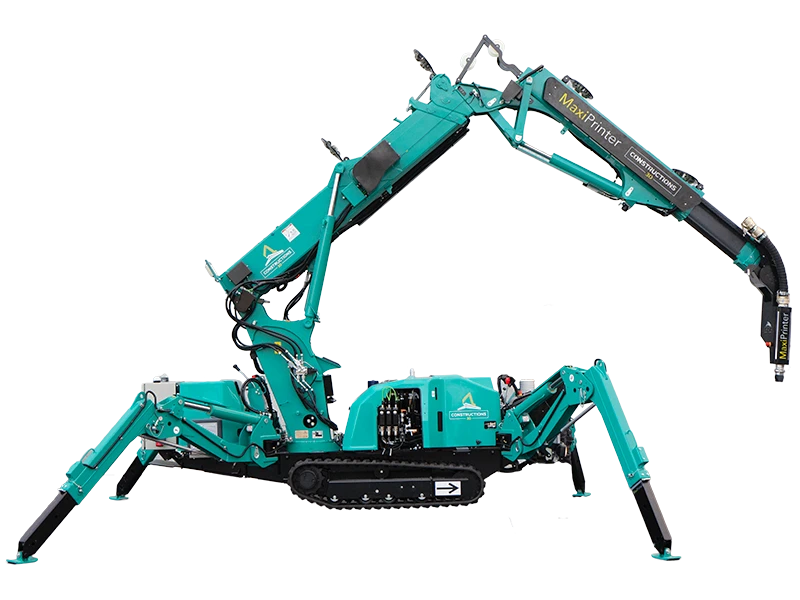 MaxiPrinter
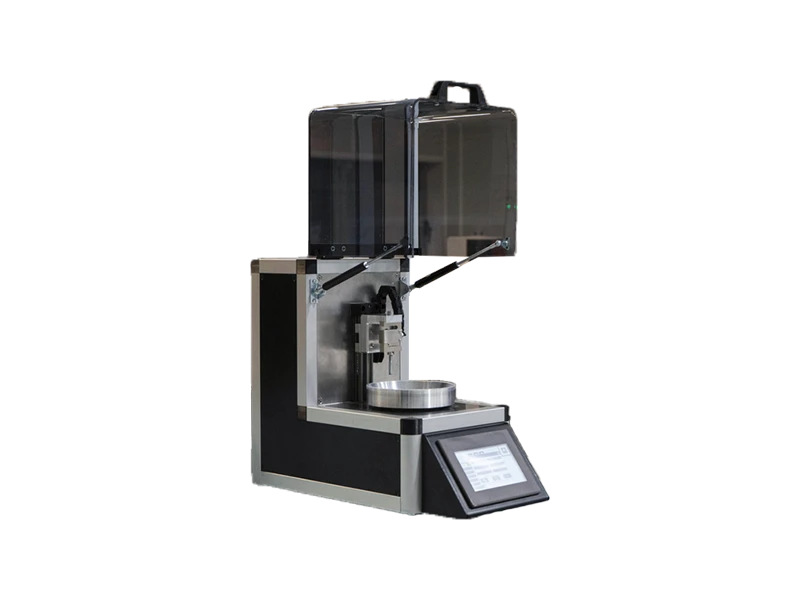 Constructimeter
 Laboratory
 Printable Mortar
 Buildings
 Urban Furniture
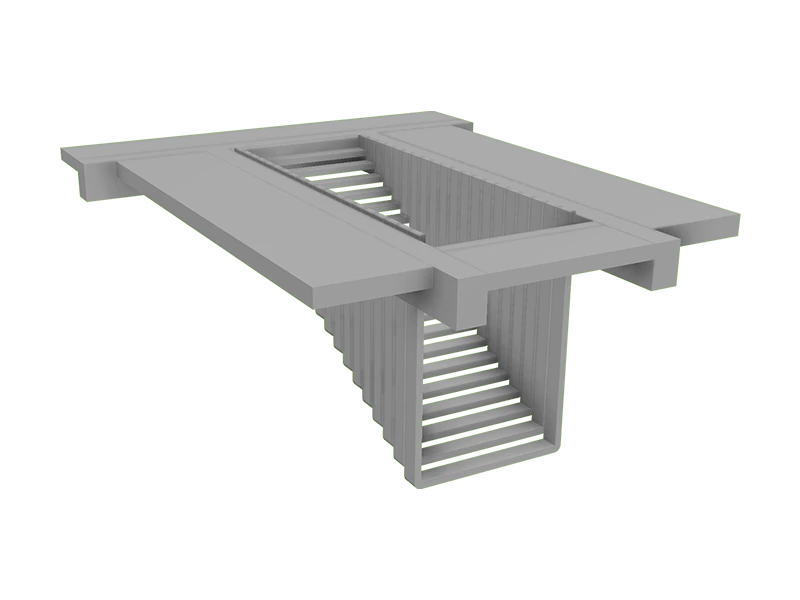 Technical Work
How 3D Printing is Ushering in a New Era for Global Housing
For decades, 3D concrete printing has remained a technological curiosity, explored by a few pioneering researchers and startups. But the situation is changing rapidly. Facing a growing global housing crisis — accelerated urbanization, labor shortages, and soaring costs — and with the construction sector being one of the largest sources of CO₂ emissions worldwide, additive manufacturing applied to building is now emerging as one of the most promising levers to build faster, reduce carbon footprints, and control costs.
Published on 16 December 2025

Written by Phoebe Karczmarek
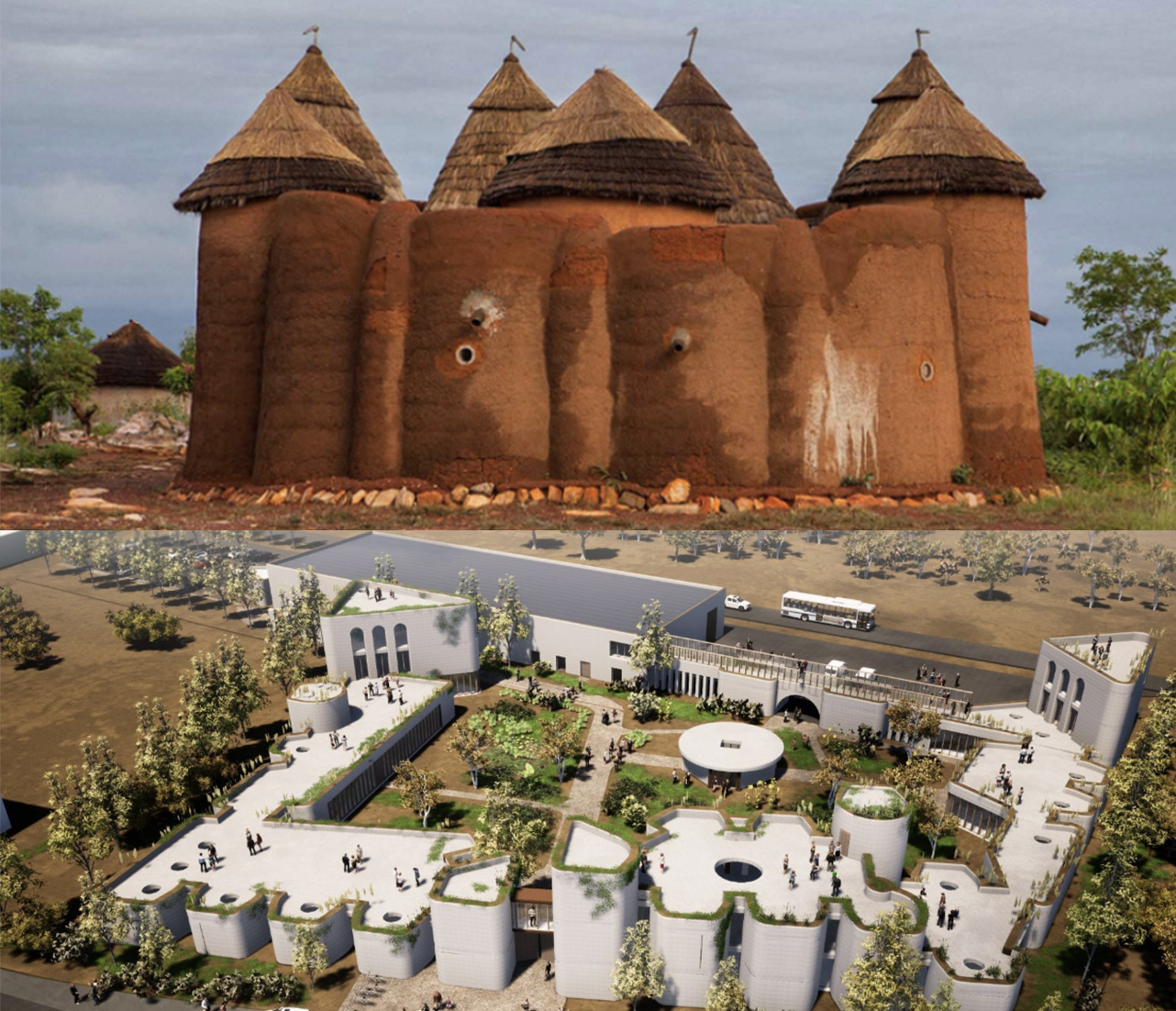
The Challenge: A World Short on Housing
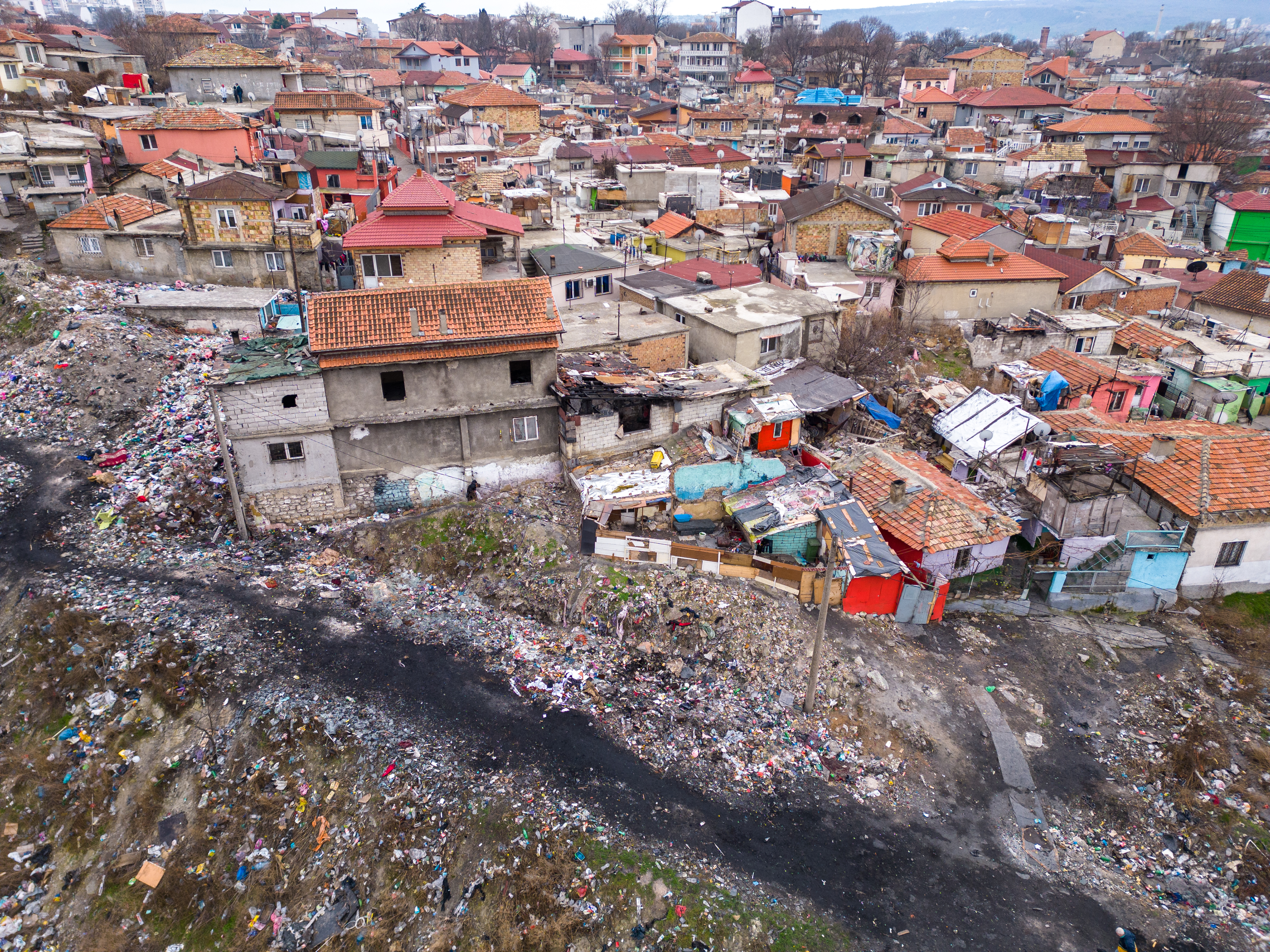
Traditional construction methods increasingly struggle to keep pace with global housing demand. Construction timelines are lengthening, material costs are skyrocketing, and skilled labor is becoming scarce, making conventional projects slow and expensive. In this context, the idea of a house rising from the ground in just a few days, thanks to a printer depositing concrete layer by layer, is no longer utopian — it is becoming reality.
Concrete Promises of 3D Concrete Printing
The global construction market is gradually transforming thanks to digital technologies and the rise of additive manufacturing. 3D-printed construction, which was still emerging a few years ago, now draws attention for its ability to reduce costs, timelines, and environmental impact. This technology enables the design of complex structures with precision that is difficult to achieve using traditional methods while optimizing material usage and minimizing waste. Additive manufacturing is attracting growing interest because it addresses several major challenges in construction simultaneously, enabling unprecedented building performance.
For example, in 2019, Constructions-3D printed the first 3D building in France, called Le Pavillon, completed in 72 hours. Today, with technical advances, the same structure could be printed in just 18 hours — dramatically reducing construction time. At the same time, this technology optimizes material use: some pilot projects report up to a 25% reduction in waste while using concrete formulations specifically designed for 3D printing, sometimes incorporating recycled or locally sourced materials to limit environmental impact.
At Termix-3D’s formulation lab, Constructions-3D develops low-carbon “concrete inks” specially formulated for layer-by-layer 3D printing. These concretes partially replace traditional cement with local industrial byproducts (blast furnace slag, clay, regional sand) and, where applicable, bio-based insulators (such as flax fibers) for internal cavities according to ADEME data. This substitution results in concrete inks containing three times less cement than standard 3D-printing concrete, reducing material-related CO₂ emissions by up to 55%.
This process has two major positive effects on the environment and resource efficiency: first, it significantly lowers the carbon footprint of the material, as partially replacing high-CO₂ cement with alternative binders or local materials reduces emissions from concrete production. Second, 3D printing deposits material only where needed, eliminating waste inherent in formwork, concrete blocks, or excess mortar — reducing both waste and surplus mortar volumes according to Cityamag, a regional innovation and sustainable building media.
Thus, construction is not only faster and more flexible but also much more environmentally friendly — a crucial point in a sector historically energy-intensive and CO₂-emitting. The development of low-carbon printable concretes, combined with additive printing, clearly paves the way for more sustainable, local, and optimized construction.

Where the Industry Stands Today
3D concrete printing is no longer an emerging market; it is an organized ecosystem. While there were only about twenty players in the early 2010s, there were over 65 by 2015–2016, and today nearly a hundred operate internationally (source: 3Dnatives & Industry research). By 2034, Global Growth Insights projects that the market could reach up to $50 billion, depending on technology adoption assumptions.
According to Lafarge, a leader in innovative and sustainable construction solutions and a pioneer in cement materials for 3D printing, 3D printing could reduce construction waste by up to 50%, significantly lower building carbon footprints, and accelerate project timelines.
In this dynamic context, Constructions-3D, based in France, positions itself as a global leader in additive concrete manufacturing. As a manufacturer, Constructions-3D ranks 2nd in Automate Construction’s 2025 Power Ranking, analyzed by American journalist and construction automation expert Jarett Gross, which lists the most influential and innovative companies internationally. This recognition reflects not only the company’s technical mastery in printing complex 3D structures but also its capacity to develop innovative and sustainable solutions, consolidating its place among the industry’s leading players.
Barriers are Gradually Lifting
Some challenges remain — evolving regulations, high initial investments, and a perception of experimentation. But the landscape is changing rapidly: initial standards have emerged, including ISO/ASTM 52939:2023 and ICC 1150, providing official frameworks for designing, inspecting, and certifying 3D-printed concrete buildings. Insurance providers such as Adrian Flux in the UK and global groups like AXA, Allianz, and Zurich are beginning to offer coverage specifically for 3D-printed buildings, evaluating risks and defining guarantees comparable to traditional construction. Local authorities are also closely monitoring the technology to address pressures on social housing and infrastructure needs.
Looking Ahead: Towards Mass Industrialization of Construction
Over time, 3D printing is proving to be a true revolution for large-scale construction. 3D printers can print an entire village in weeks, demonstrating unprecedented construction speed. This capability not only meets growing housing demand but also enables low-cost public buildings such as schools, healthcare centers, or administrative facilities with unmatched efficiency.
Additionally, this technology provides exceptional responsiveness in emergencies: temporary housing can be deployed rapidly after natural disasters or humanitarian crises. 3D printing is no longer a niche tool; it represents the industrialization of construction, where digital, automated production lines ensure quality, speed, and reproducibility while reducing waste and optimizing material use.
Beyond technical advantages, 3D printing opens new design possibilities: modular structures adaptable to terrain and specific needs are now accessible at scale. In this context, 3D printers do more than build buildings — they redefine the way cities and habitats are conceived, combining efficiency, sustainability, and flexibility.
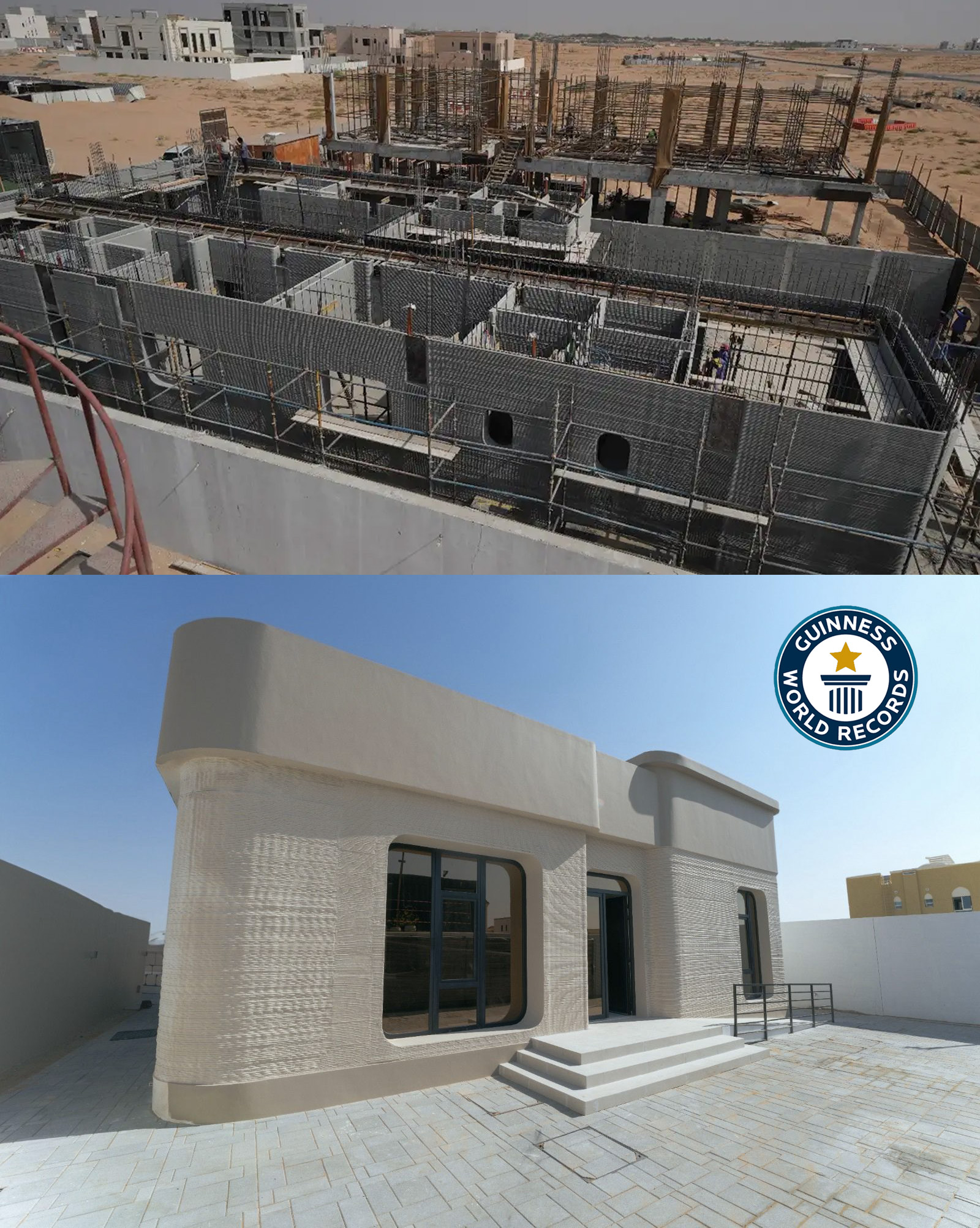
3D Printing: An Operational Solution
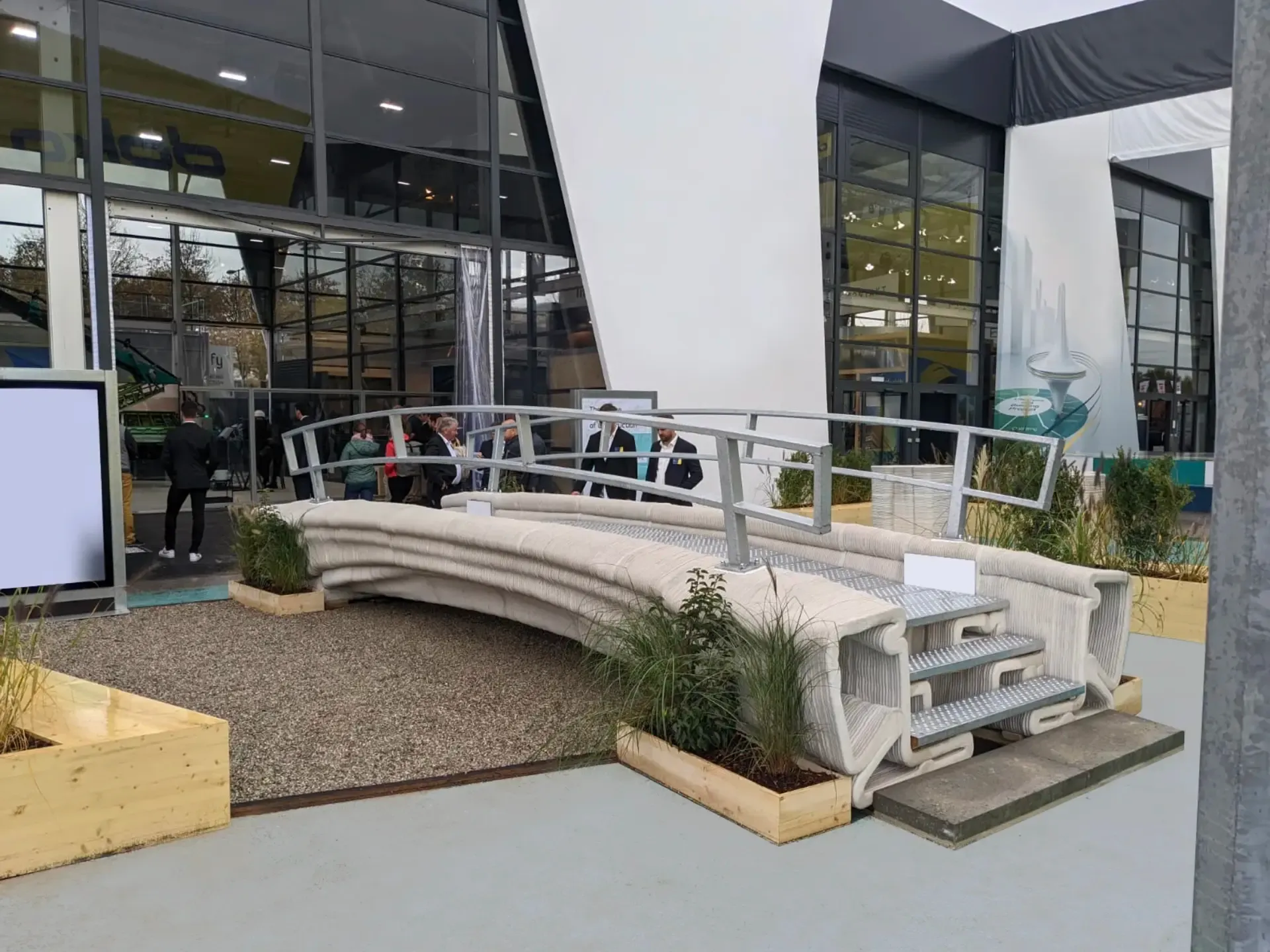
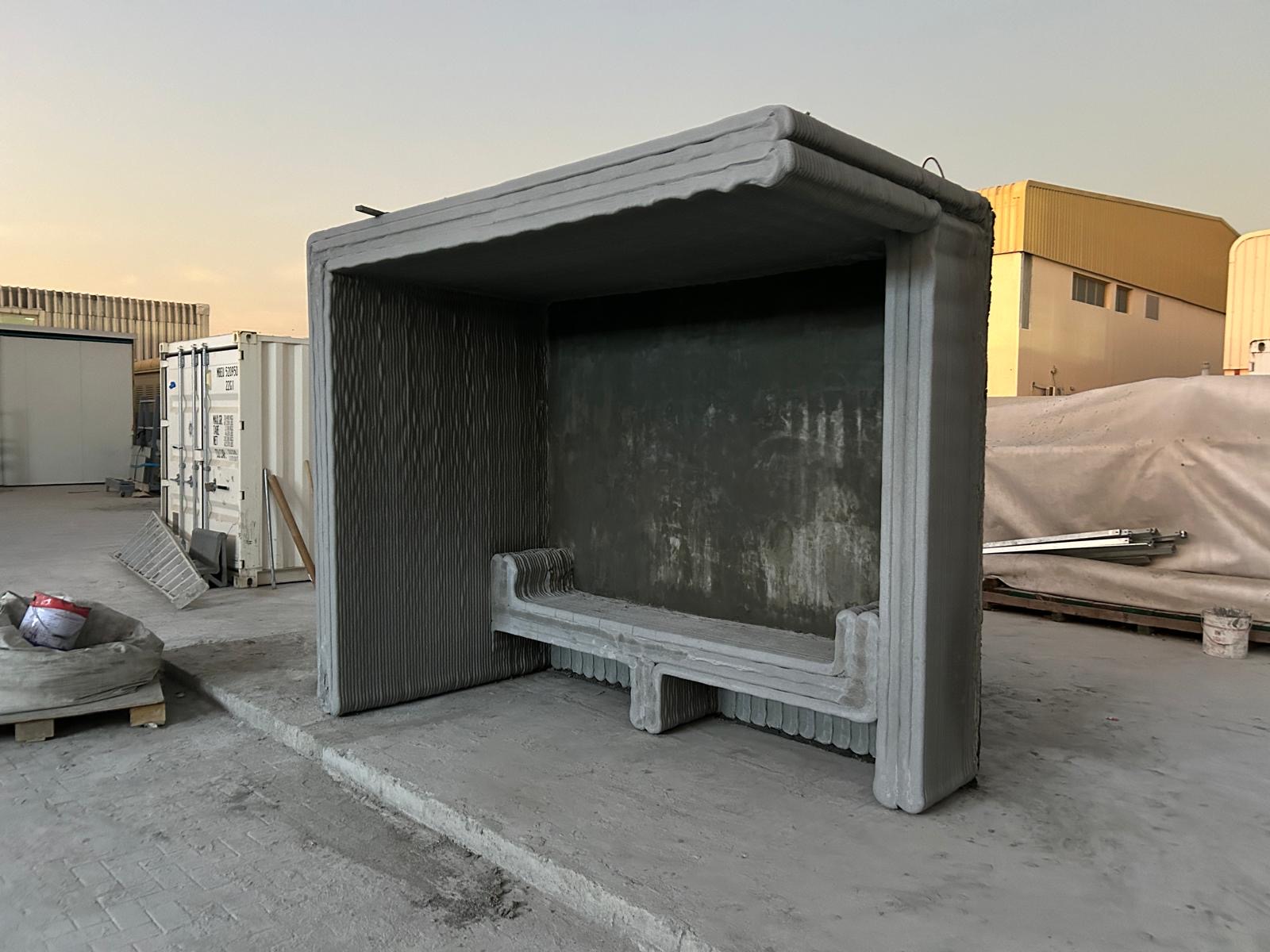
3D concrete printing is no longer a gadget or futuristic concept: it is a mature technology capable of sustainably transforming construction practices. Innovations like Termix-3D enable concrete with a reduced carbon footprint, using local formulations, less traditional cement, and a lighter logistical footprint — decreasing emissions from transport and production. 3D printing also changes the workforce dynamic: instead of large, labor-intensive teams, only a few operators are needed to oversee the machine — work that is less physically demanding, more appealing to younger generations, and safer. The process also significantly reduces material excess: material is deposited only where necessary, minimizing waste, mortar surplus, and overproduction. 3D printing is not limited to individual housing. It can meet diverse needs: multi-family housing, infrastructure such as bridges, bus shelters, public buildings, or other facilities — projects designed for modernity, speed, durability, and efficiency. This flexibility, combined with reduced costs, timelines, and environmental impact, truly opens the way to a new era of construction. At a time when global housing demand is reaching critical levels, the question is no longer, “Is 3D printing ready?” but rather, “What are we waiting for to transform the way we build?”
1
Bridge built by Concrefy using the MiniPrinter
2
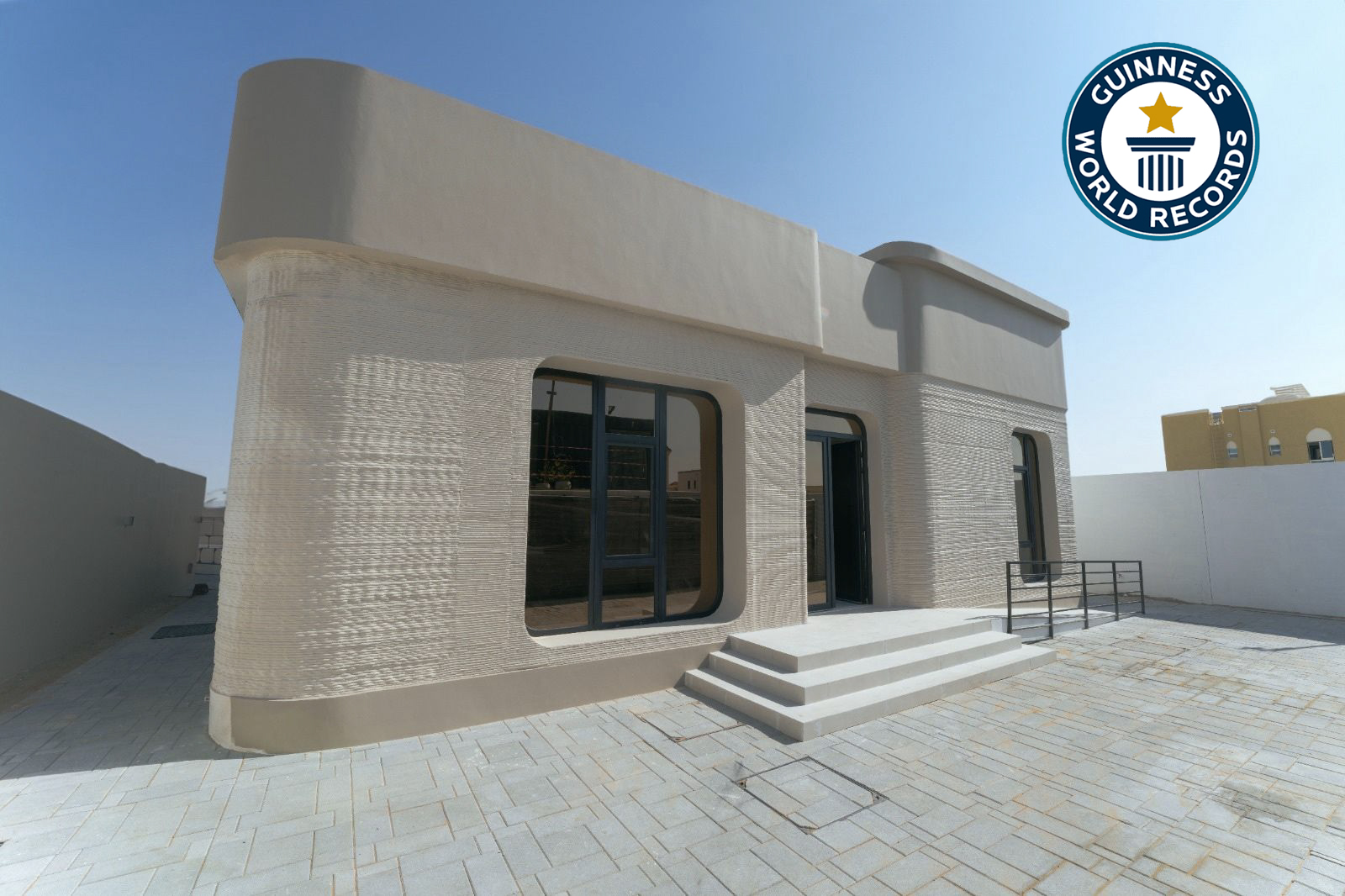
Dubai villa built by 3DXB using the MaxiPrinter
3
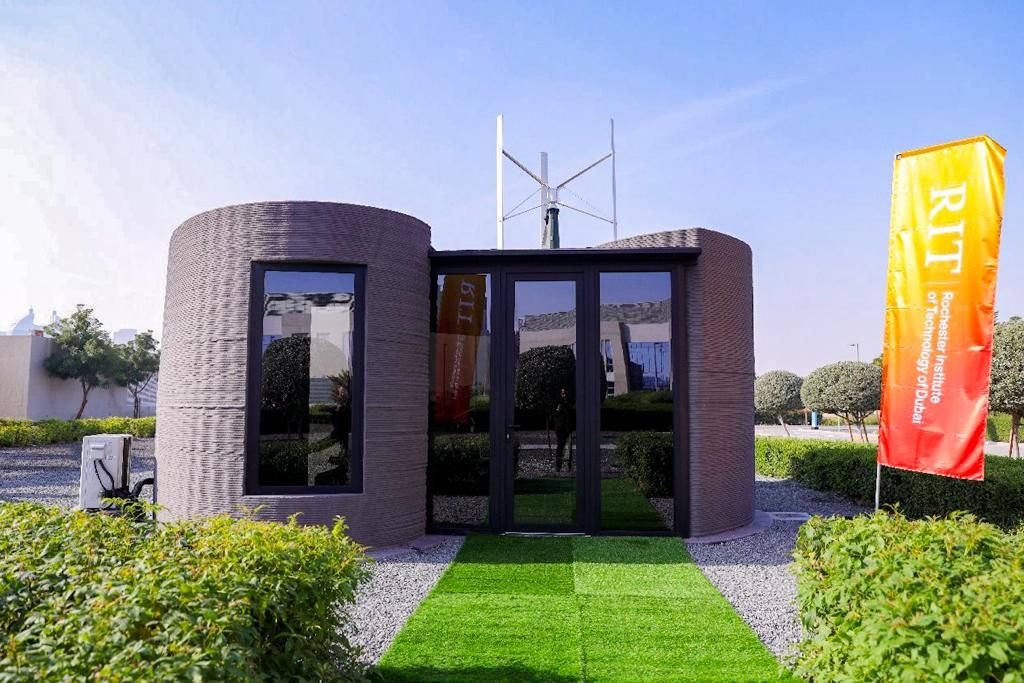
Building built by 3DXB using the MaxiPrinterBuilding built by 3DXB using the MaxiPrinter
4
Bus shelter printed by 3DXB in Dubai using the MaxiPrinter
Ask your questions about concrete printing and our products...